
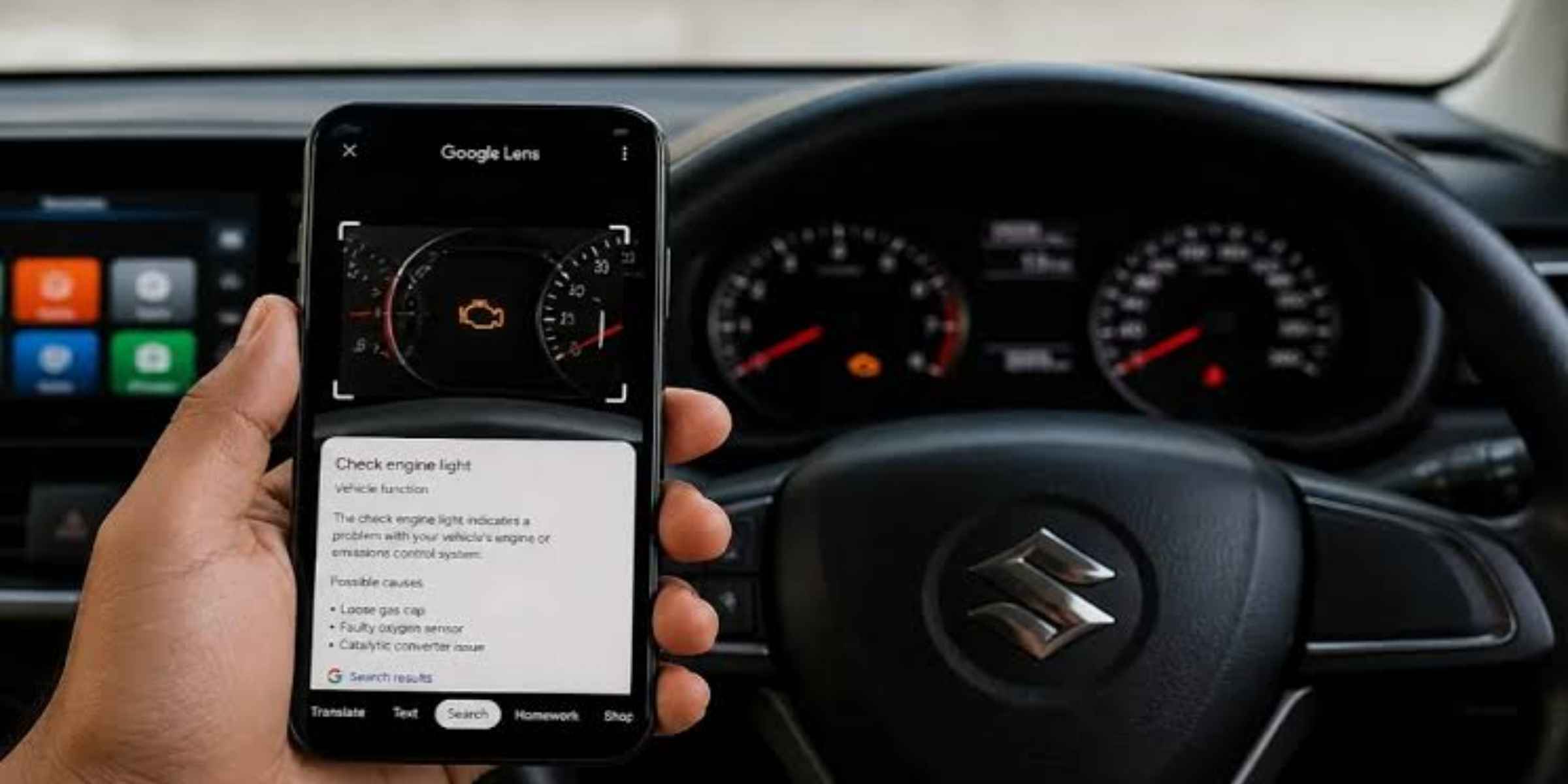
Modern vehicles are packed with advanced technology, but dashboard warning lights can still confuse many drivers. If you’ve ever asked yourself, “how do I use search live to identify the signs showing on my car dashboard?” you’re not alone. From flashing engine symbols to tire pressure alerts, these indicators often appear without warning and can create unnecessary stress.
Fortunately, live search tools, visual recognition apps, and voice assistants now make it easier than ever to identify dashboard warning lights in seconds. Instead of searching through a thick owner’s manual, drivers can use smartphone cameras, AI-powered search features, and diagnostic apps to get quick answers while on the road.
In this guide, you’ll learn how to use search live tools effectively, understand what different dashboard colors mean, and determine which warning lights require immediate attention. You’ll also discover reliable ways to improve vehicle safety and avoid costly repairs.
How Do I Use Search Live To Identify The Signs Showing On My Car Dashboard?
If you are wondering how do I use search live to identify the signs showing on my car dashboard, the process is surprisingly simple. Most smartphones now include visual search capabilities powered by artificial intelligence. You can point your phone camera at a dashboard symbol, and the system will analyze the image to identify the warning light instantly.
Many drivers use tools like Google Lens, Apple Visual Lookup, or built-in Android search features to recognize dashboard icons. These systems compare the image against massive databases containing vehicle warning symbols, automotive alerts, and maintenance indicators. Within seconds, you can learn whether the issue involves the engine, battery, brakes, oil pressure, or another system.
Live search technology is especially helpful because dashboard symbols vary between manufacturers. A warning light on a Ford vehicle may look different from one on a Toyota or Honda. Search tools reduce confusion by providing explanations based on the specific icon rather than requiring manual searches. Additionally, many tools include repair suggestions, urgency levels, and recommended next steps.
Another advantage of live search is speed. Instead of guessing what a blinking symbol means, drivers can receive immediate guidance. This can help prevent unnecessary panic while also ensuring serious problems are not ignored. However, search tools should complement—not replace—professional vehicle inspections when major warning lights appear.
Use Visual Search Tools
Visual search tools are among the easiest ways to identify dashboard warning signs. These tools rely on image recognition software to scan symbols and provide instant explanations. Drivers simply open the camera feature within the app and focus on the dashboard light.
Google Lens remains one of the most widely used options because it works across many smartphones and recognizes thousands of automotive warning symbols. Meanwhile, Apple users can take advantage of Visual Lookup features built into iPhones. Some car owners also use AI-powered apps designed specifically for vehicle diagnostics and warning light recognition.
Visual search becomes especially useful at night or during stressful driving situations. For example, if the check engine light suddenly appears during a road trip, a driver can safely pull over and scan the symbol for immediate information. The results often include maintenance tips, severity ratings, and links to repair guidance.
However, drivers should ensure adequate lighting when using visual search tools. Blurry or dim images can produce inaccurate results. Additionally, dashboard reflections may interfere with image recognition. Taking a clear photo while the vehicle is parked usually provides the best outcome.
Use Voice Search While Driving
Voice search technology allows drivers to identify dashboard signs without taking their hands off the wheel. This feature improves safety while still providing useful information during active driving situations. Drivers can ask questions such as, “What does the yellow engine light mean?” or “Why is my oil warning light flashing?”
Modern voice assistants like Siri, Google Assistant, and Alexa can quickly provide answers based on automotive databases and online repair resources. Many vehicles also include built-in infotainment systems that support voice commands directly through the dashboard interface.
Using voice search is particularly beneficial when a warning light appears unexpectedly in traffic. Instead of trying to read a manual or type on a phone, drivers can receive spoken guidance instantly. According to public road safety recommendations, minimizing visual distractions while driving significantly reduces accident risks.
Voice search also helps drivers understand whether a warning requires immediate action. For instance, a low windshield washer fluid warning is less urgent than an overheating engine alert. Quick voice-based explanations can help drivers make safer decisions about whether to continue driving or stop immediately.
Despite these advantages, drivers should avoid relying entirely on voice assistants for complex mechanical issues. If multiple warning lights appear simultaneously, professional diagnostics are still necessary. Voice tools work best for quick identification and basic guidance.
Use Dedicated Car Diagnostic Apps
Dedicated car diagnostic apps offer deeper insights than general search tools. These apps often connect directly to a vehicle’s onboard diagnostic system using an OBD-II scanner. Once connected, the app can read trouble codes, explain warning lights, and monitor vehicle performance in real time.
Popular diagnostic apps provide information about engine performance, transmission issues, battery health, emissions systems, and fuel efficiency. Many drivers use these tools to understand why a check engine light appears before visiting a repair shop. This can improve communication with mechanics and help drivers avoid unnecessary repairs.
Some apps even combine live search technology with predictive maintenance features. For example, they may warn drivers about potential battery failure or low brake pad life before a major issue occurs. This proactive approach helps reduce repair costs and improves vehicle reliability over time.
Additionally, dedicated apps are useful for older vehicles that may not include advanced dashboard displays. Even if the car lacks modern smart features, the diagnostic app can still interpret warning codes through the OBD-II connection. This makes the technology accessible for millions of drivers across the United States.
When choosing a diagnostic app, drivers should look for compatibility with their vehicle make and model. Reliable apps also provide clear explanations rather than overly technical descriptions. Ease of use matters, especially during roadside situations.
Understanding The Urgency Of Dashboard Warning Lights
Dashboard warning lights use colors to communicate urgency levels. Understanding these colors helps drivers respond appropriately and avoid serious mechanical damage. While search live tools help identify symbols, recognizing the urgency behind each color remains equally important.
Manufacturers generally follow similar color standards across the automotive industry. Red warnings typically indicate severe problems requiring immediate action, while yellow lights suggest maintenance or system monitoring. Green and blue indicators usually confirm that certain features are operating normally.
Drivers should never ignore warning lights, even if the vehicle seems to run fine. Minor issues can escalate into expensive repairs if left unresolved. For example, low oil pressure may initially cause no noticeable symptoms, but prolonged driving can seriously damage the engine.
Additionally, multiple warning lights appearing simultaneously may indicate electrical system failures or sensor malfunctions. In these situations, professional diagnostics become essential. Search tools provide valuable guidance, but they cannot fully replace trained automotive technicians.
Flashing Red
A flashing red dashboard light is one of the most serious warnings a driver can encounter. These indicators usually signal immediate danger or a critical system failure. Common flashing red alerts include severe engine overheating, brake system failure, or extremely low oil pressure.
When a flashing red light appears, drivers should stop the vehicle as soon as it is safe to do so. Continuing to drive could result in major engine damage, brake failure, or safety hazards. In some cases, the vehicle may automatically enter “limp mode” to protect essential systems.
Search live tools can quickly identify the specific warning symbol, but drivers should prioritize safety first. Pulling into a secure location before using a phone or diagnostic app is essential. Once stopped, the driver can use visual search or voice assistance to determine the nature of the emergency.
According to automotive service reports, ignoring flashing red warnings is one of the leading causes of preventable engine damage. Immediate attention often prevents minor problems from becoming catastrophic repairs.
Red
Solid red dashboard lights also indicate serious issues, although they may not require instant emergency stopping like flashing alerts. Common red indicators include battery charging problems, seat belt reminders, parking brake notifications, and cooling system warnings.
If a red warning light appears, drivers should consult their vehicle manual or use live search tools promptly. Some red warnings may allow short-distance driving to a repair facility, while others require towing assistance. The specific symbol determines the urgency level.
Battery-related warnings deserve special attention because electrical failures can quickly disable essential vehicle systems. Similarly, brake system alerts should never be ignored since they directly affect driving safety.
Drivers should also monitor how the vehicle behaves after a red warning appears. Strange noises, reduced power, smoke, or unusual vibrations may signal worsening mechanical issues. In these situations, stopping the vehicle remains the safest option.
Yellow Or Orange
Yellow or orange dashboard lights typically indicate maintenance needs or moderate system issues. These warnings often relate to emissions systems, tire pressure, traction control, engine sensors, or scheduled maintenance reminders.
Although yellow lights are generally less urgent than red ones, they still require attention. Delaying repairs can increase fuel consumption, reduce vehicle performance, or lead to more expensive problems later. For example, a tire pressure warning may seem minor, but underinflated tires increase blowout risks and reduce braking performance.
Search live technology works especially well for yellow warning lights because drivers usually have enough time to research the issue safely. Many vehicle owners use search tools to decide whether immediate service is necessary or if the issue can wait until a scheduled appointment.
Additionally, some yellow lights may flash before turning solid. A flashing check engine light often signals a more severe engine misfire compared to a steady light. Understanding these subtle differences helps drivers respond appropriately.
Blue Or Green
Blue and green dashboard indicators are generally informational rather than warnings. These lights confirm that specific systems or features are active. Common examples include high-beam headlights, cruise control, eco-driving mode, and turn signals.
Because these indicators usually represent normal operation, drivers often overlook them. However, understanding their purpose still improves overall driving awareness. For example, accidentally leaving high beams activated can reduce visibility for other drivers and create road hazards.
Search live tools remain useful for unfamiliar blue or green symbols, especially in newer vehicles with advanced driver-assistance systems. Modern cars may display indicators for lane-keeping assistance, adaptive cruise control, or hybrid power modes that some drivers have never seen before.
In hybrid and electric vehicles, green indicators may also show battery regeneration status or electric-only driving modes. Learning these symbols helps drivers maximize fuel efficiency and better understand vehicle performance.
Although blue and green lights are usually harmless, drivers should still pay attention to unusual patterns or blinking behavior. Unexpected flashing may indicate sensor problems or system malfunctions requiring inspection.
Final Thoughts
Learning how do I use search live to identify the signs showing on my car dashboard can make driving safer, less stressful, and more convenient. Modern search technologies allow drivers to recognize dashboard warning lights quickly using visual search, voice commands, and dedicated diagnostic apps. These tools provide immediate explanations that help drivers understand whether a warning is informational, urgent, or potentially dangerous.
At the same time, understanding dashboard light colors remains essential. Flashing red alerts require immediate action, while yellow warnings typically signal maintenance needs. Blue and green indicators usually confirm normal vehicle functions.
Although live search tools are extremely useful, they should support—not replace—professional automotive inspections. Combining smart technology with routine vehicle maintenance helps drivers avoid breakdowns, reduce repair costs, and stay safer on the road.
FAQs
What is the fastest way to identify dashboard warning lights?
The fastest method is using a live visual search tool like Google Lens or a car diagnostic app. Simply scan the dashboard symbol with your smartphone camera for instant identification.
Can I use voice search to understand car warning lights?
Yes. Drivers can safely use Siri, Google Assistant, or built-in vehicle voice systems to ask about warning symbols while keeping their focus on the road.
Are dashboard warning lights the same in every vehicle?
No. Warning symbols can vary between manufacturers like Ford, Toyota, Honda, Chevrolet, and BMW. However, many color codes and core symbols remain similar.
What should I do if a red dashboard light appears?
A red warning light usually signals a serious issue. Drivers should stop safely, inspect the vehicle, and seek professional diagnostics if necessary.
Do car diagnostic apps really work?
Yes. Many diagnostic apps accurately read OBD-II codes and explain warning lights. They help drivers understand vehicle problems before visiting a mechanic.

I’m Harper Grace, an SEO and Content Writing Specialist with 3+ years of experience and 60+ satisfied clients worldwide. At EpicNamezCraft.com, I craft unique and trending name ideas that help brands and individuals find names that stand out and connect.