
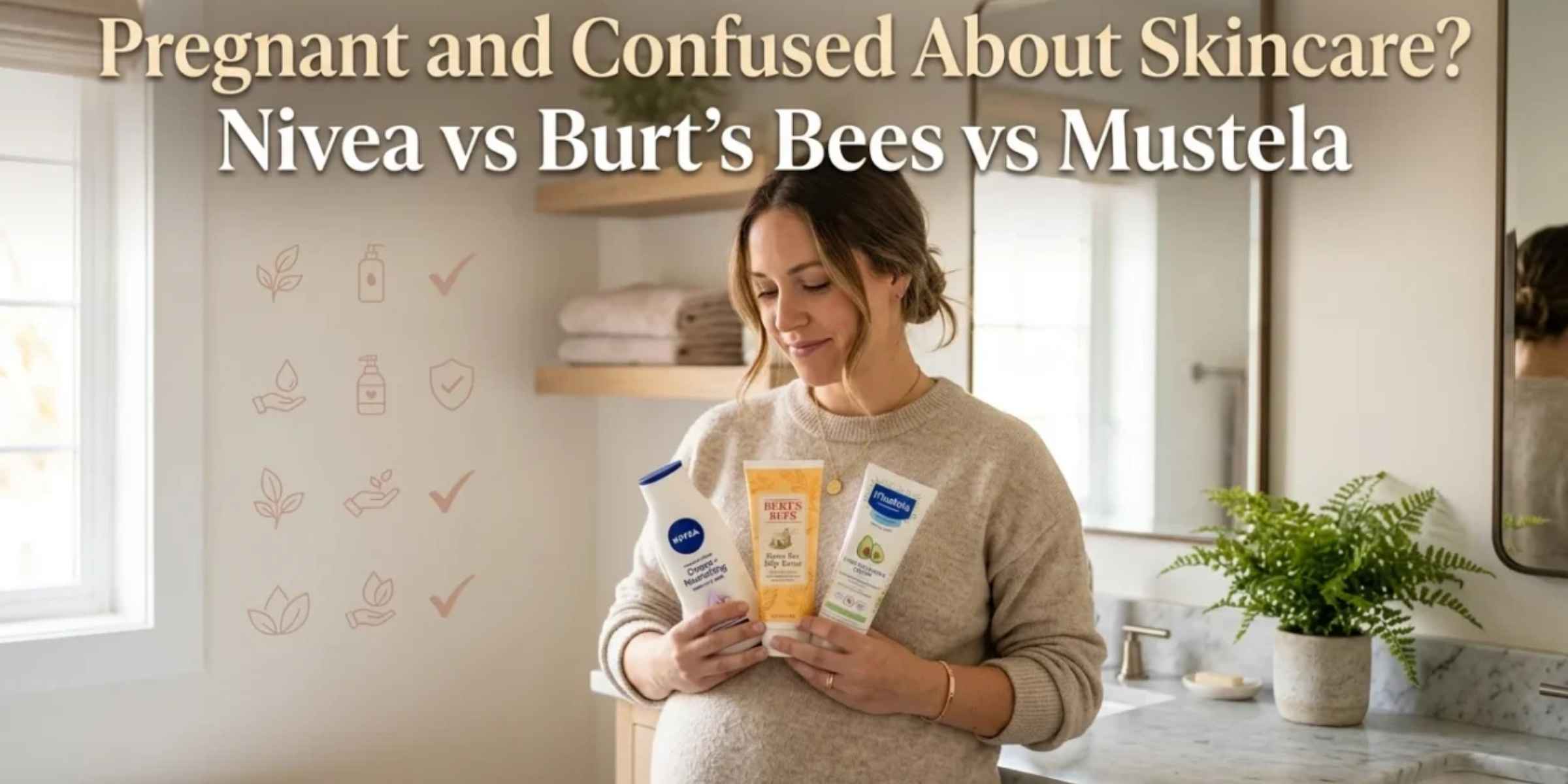
If you’re asking, “I’m a pregnant woman. Are Nivea products safe compared to Burt’s Bees or Mustela?”, you’re not alone. Pregnancy often brings major changes to your skin, making ingredient safety a top concern. Many women begin checking labels more carefully and comparing popular skincare brands before applying products daily.
Nivea, Burt’s Bees, and Mustela are widely used skincare brands, but they differ significantly in their formulations, ingredient philosophy, and focus on pregnancy-friendly skincare. Understanding those differences can help you make more informed decisions during pregnancy.
In this guide, you’ll learn whether Nivea products are generally considered safe during pregnancy, how Burt’s Bees and Mustela compare, which ingredients experts commonly recommend avoiding, and what dermatologists and OB-GYNs typically suggest for maintaining healthy skin during pregnancy. By the end, you’ll have a clearer understanding of which brand best fits your skincare needs and comfort level.
Are Nivea Products Safe During Pregnancy?
Most Nivea products are generally considered safe for use during pregnancy. The brand is known for moisturizers, body lotions, creams, and basic skincare products that focus on hydration rather than active treatment ingredients. Many popular Nivea products contain ingredients such as glycerin, panthenol, mineral oil, and shea butter, which are commonly used in pregnancy-safe skincare.
However, not every Nivea product contains the same ingredients. Some specialized anti-aging or brightening products may include ingredients that pregnant women prefer to review more carefully. Reading ingredient labels remains important because formulations can vary between product lines and countries.
According to dermatology guidance, the primary concern during pregnancy is usually avoiding ingredients such as retinoids rather than basic moisturizers. For most healthy pregnancies, standard Nivea creams and body lotions are not considered high-risk skincare products. Nevertheless, women with specific concerns should consult their healthcare provider for personalized recommendations.
Is Burt’s Bees Safer Than Nivea for Pregnancy?
Burt’s Bees is often perceived as a safer option during pregnancy because of its emphasis on naturally derived ingredients. Many of its products feature botanical oils, beeswax, shea butter, and plant-based moisturizers that appeal to women seeking simpler ingredient lists.
That said, “natural” does not automatically mean safer. Some essential oils and botanical extracts can still cause irritation or sensitivity, especially because pregnancy can make skin more reactive than usual. Safety depends on the individual formulation rather than marketing claims alone.
Compared with Nivea, Burt’s Bees generally attracts consumers who prioritize naturally inspired skincare. Both brands offer products that many pregnant women use successfully. The key factor is evaluating individual ingredients instead of assuming one entire brand is universally safer.
Why Pregnant Women Like Burt’s Bees
Many pregnant women appreciate Burt’s Bees because the brand avoids some ingredients that consumers commonly try to limit during pregnancy. The products often feature recognizable ingredients such as beeswax, coconut oil, sunflower seed oil, and aloe vera.
Another reason for its popularity is the brand’s reputation for gentle skincare. Pregnancy-related dryness, itching, and sensitivity can make mild formulations especially appealing. Many women find Burt’s Bees body lotions and lip balms comfortable for everyday use.
Additionally, Burt’s Bees products are widely available in the United States at accessible price points. This combination of convenience, ingredient transparency, and a natural-focused image has helped the brand maintain strong popularity among expectant mothers.
The Real Difference Between Burt’s Bees and Nivea
The biggest difference between Burt’s Bees and Nivea is their approach to formulation. Nivea focuses heavily on proven moisturizing ingredients and skin barrier support, while Burt’s Bees emphasizes naturally derived ingredients and botanical components.
Nivea products frequently use ingredients such as mineral oil, petrolatum, glycerin, and panthenol. These ingredients have long histories of use in skincare and are valued for their moisturizing effectiveness. Burt’s Bees, meanwhile, often highlights beeswax, natural oils, and plant extracts.
For pregnancy skincare, neither approach is automatically superior. Women who prefer classic moisturizing science may lean toward Nivea. Those seeking a more natural-style skincare routine may prefer Burt’s Bees. The choice often comes down to ingredient preferences, skin type, and personal comfort.
Can I Use Mustela Products While Pregnant?
Mustela has developed a strong reputation among pregnant women and new mothers. Many of its products are specifically designed with pregnancy and postpartum skincare in mind, including stretch mark creams, body oils, and nourishing moisturizers.
The company frequently formulates products to address concerns that commonly arise during pregnancy, such as skin tightness, dryness, and changes in skin elasticity. This targeted approach distinguishes Mustela from more general skincare brands.
Many healthcare professionals consider numerous Mustela products suitable for pregnancy. However, as with any skincare brand, ingredient lists should still be reviewed. Product-specific evaluation remains the safest approach when selecting skincare during pregnancy.
Why Mustela Is Popular Among Pregnant Women
Mustela’s popularity comes largely from its focus on maternal and baby skincare. Unlike many mainstream brands, the company specifically develops products intended to support women throughout pregnancy and postpartum recovery.
Many expectant mothers use Mustela stretch mark creams and oils because these products are marketed toward maintaining skin hydration and comfort during periods of rapid skin expansion. Hydrated skin often feels more comfortable as pregnancy progresses.
The brand also benefits from strong consumer trust. Its long-standing association with infant skincare creates additional confidence among women who want products tailored to sensitive skin needs during pregnancy.
Is Mustela Worth It?
Whether Mustela is worth the higher price depends on your priorities. If you’re looking for pregnancy-focused skincare products with targeted formulations, many women find the added cost worthwhile.
Mustela products often contain carefully selected moisturizing ingredients intended to support skin comfort during pregnancy. While no topical product can guarantee prevention of stretch marks, maintaining skin hydration is generally beneficial.
For budget-conscious shoppers, Nivea may provide effective moisturization at a lower cost. However, women seeking products specifically designed for pregnancy may appreciate Mustela’s specialized offerings and dedicated focus on maternal skincare.
Ingredients Pregnant Women Should Avoid in Skincare
Pregnancy often leads women to become more cautious about skincare ingredients. While many products are considered low risk, certain ingredients warrant closer attention because of potential concerns regarding fetal development.
The most commonly discussed ingredients include retinoids, high-strength salicylic acid treatments, hydroquinone, and certain prescription acne medications. These ingredients may require avoidance or professional guidance during pregnancy.
Checking labels and discussing concerns with a dermatologist or OB-GYN can help reduce uncertainty. A personalized approach is often more helpful than relying solely on internet advice or social media trends.
Retinoids and Retinol Pregnancy Risks
Retinoids are among the most frequently discussed skincare ingredients during pregnancy. Prescription retinoids are generally not recommended due to concerns about potential developmental risks.
Retinol, a milder vitamin A derivative found in some over-the-counter products, is also commonly avoided during pregnancy as a precaution. Many dermatologists advise discontinuing retinoid-containing products once pregnancy is confirmed.
Fortunately, many alternatives exist. Ingredients such as hyaluronic acid, niacinamide, ceramides, and gentle moisturizers can support healthy skin without raising the same concerns associated with retinoids.
Other Ingredients to Avoid
Beyond retinoids, pregnant women may wish to discuss other ingredients with their healthcare providers. Hydroquinone, commonly used for hyperpigmentation, has relatively high absorption rates and is often avoided during pregnancy.
Certain chemical peels and high-concentration salicylic acid treatments may also warrant caution. While limited topical use is often viewed differently than oral medications, medical guidance is still valuable.
Additionally, some women choose to limit products with strong fragrances or irritating essential oils because pregnancy can increase skin sensitivity. Comfort and tolerance are important factors when building a pregnancy skincare routine.
Pregnancy Safe Ingredients That Dermatologists Commonly Recommend
Many dermatologists commonly recommend ingredients that focus on hydration, barrier repair, and skin comfort during pregnancy. These ingredients are widely used and generally well tolerated.
Examples include hyaluronic acid, glycerin, ceramides, colloidal oatmeal, shea butter, and panthenol. These ingredients help maintain skin hydration and support the skin barrier without relying on aggressive active ingredients.
Niacinamide is another ingredient frequently included in pregnancy-friendly skincare routines. It may help improve skin texture, strengthen the skin barrier, and reduce the appearance of uneven tone while remaining gentler than many treatment-focused ingredients.
Nivea vs Burt’s Bees vs Mustela Pregnancy Comparison
When comparing these three brands, each serves a different audience. Nivea excels in affordable hydration, Burt’s Bees appeals to natural-focused consumers, and Mustela targets pregnancy-specific skincare concerns.
Women experiencing basic dryness may find Nivea entirely sufficient. Those seeking plant-based ingredients may gravitate toward Burt’s Bees. Meanwhile, women looking for stretch mark products and pregnancy-centered formulations often prefer Mustela.
No single brand is universally best for every pregnant woman. Skin type, ingredient preferences, budget, and individual sensitivities all influence which option feels most appropriate.
Best Budget Option
Nivea is generally the strongest budget-friendly choice among the three brands. Its creams and body lotions provide effective moisturization at a lower price point than many specialty pregnancy products.
For women dealing primarily with dry skin, Nivea often delivers reliable hydration without requiring a significant financial investment. Many products are available in drugstores throughout the United States.
If affordability is a major factor, Nivea typically offers the best value while still providing quality moisturizing benefits.
Best Natural Style Option
Burt’s Bees stands out for consumers seeking naturally inspired skincare products. Its ingredient lists often feature plant oils, beeswax, and botanical extracts that align with a natural skincare philosophy.
Many women appreciate the brand’s transparency and focus on recognizable ingredients. This can provide additional reassurance during pregnancy when ingredient awareness tends to increase.
While natural ingredients are not automatically safer, Burt’s Bees remains a popular choice among women who prefer a more nature-inspired skincare routine.
Best Pregnancy Focused Brand
Mustela is the clear winner for pregnancy-focused skincare. The brand has invested heavily in products intended specifically for expectant and postpartum mothers.
Its stretch mark creams, body oils, and pregnancy-targeted moisturizers address concerns commonly experienced during pregnancy. This specialized focus sets it apart from broader skincare brands.
Women seeking products designed specifically for pregnancy often view Mustela as the most tailored option available among these three brands.
What Dermatologists and OB GYNs Usually Recommend
Dermatologists and OB-GYNs generally recommend prioritizing ingredient safety over brand loyalty. A product’s formulation matters more than its marketing claims or popularity.
Experts commonly encourage women to avoid retinoids, maintain skin hydration, and choose gentle products that support the skin barrier. Consistency is often more important than using expensive skincare.
Healthcare professionals also emphasize individualized care. Skin conditions, sensitivities, and pregnancy-related concerns vary widely, making personalized guidance valuable when uncertainty exists.
Real Pregnancy Skincare Concerns Most Women Experience
Pregnancy can trigger numerous skin changes. Dryness, itching, hyperpigmentation, acne flare-ups, and increased sensitivity are among the most common concerns reported by expectant mothers.
Hormonal shifts influence oil production and skin behavior. Some women experience glowing skin, while others encounter irritation and breakouts they never had before pregnancy.
Understanding that these changes are common can reduce stress. A gentle, consistent skincare routine often helps maintain comfort and support overall skin health throughout pregnancy.
Simple Pregnancy Skincare Routine for Sensitive Skin
Women with sensitive skin often benefit from a minimalist approach. Using fewer products can make it easier to identify irritants and maintain a healthy skin barrier.
A simple routine focused on cleansing, moisturizing, and sun protection is often sufficient. Overloading the skin with active ingredients may increase irritation during pregnancy.
Consistency matters more than complexity. Gentle products used regularly frequently outperform complicated routines that overwhelm sensitive skin.
Morning Routine
Start with a gentle cleanser that removes excess oil without stripping the skin. Follow with a lightweight moisturizer containing ingredients such as glycerin or hyaluronic acid.
Apply a broad-spectrum sunscreen with SPF 30 or higher every morning. Sun protection is particularly important because pregnancy can increase the likelihood of pigmentation concerns.
If desired, add a simple antioxidant serum approved by your healthcare provider. Keep the routine uncomplicated and easy to maintain.
Night Routine
Cleanse the skin gently to remove sunscreen, makeup, and environmental debris. Avoid harsh scrubs or aggressive exfoliation that may worsen sensitivity.
Apply a nourishing moisturizer containing ceramides, shea butter, or panthenol to support overnight hydration. Women experiencing significant dryness may prefer richer cream formulas.
Focus on comfort and barrier repair rather than intensive treatment products. A calm skincare routine is often ideal during pregnancy.
Which Skincare Brand Is Safest During Pregnancy?
There is no single skincare brand that is universally safest during pregnancy. Safety depends on individual product ingredients rather than the brand name on the label.
For basic moisturization, Nivea products are generally considered appropriate. For natural-style formulations, Burt’s Bees remains popular. For pregnancy-targeted products, Mustela offers specialized solutions.
Ultimately, ingredient review and healthcare guidance provide the most reliable framework for making skincare decisions during pregnancy.
Frequently Asked Questions
Is Nivea cream safe to use while pregnant?
Most standard Nivea creams are generally considered safe because they focus on moisturizing ingredients rather than high-risk active treatments. Always review the specific ingredient list.
Can pregnant women use Burt’s Bees skincare products?
Many Burt’s Bees products are commonly used during pregnancy. Check individual ingredients and consult your healthcare provider if you have concerns.
Are Mustela stretch mark creams pregnancy safe?
Many Mustela stretch mark products are specifically formulated for pregnancy. However, reviewing ingredients and following medical advice remains important.
What skincare ingredients should pregnant women avoid?
Retinoids, retinol, hydroquinone, and certain high-strength acne treatments are among the ingredients most commonly discussed for avoidance during pregnancy.
Which is better during pregnancy: Nivea, Burt’s Bees, or Mustela?
The best choice depends on your needs. Nivea is budget-friendly, Burt’s Bees appeals to natural-focused users, and Mustela specializes in pregnancy-oriented skincare.
Final Verdict on Nivea vs Burt’s Bees vs Mustela During Pregnancy
For women wondering, “I’m a pregnant woman. Are Nivea products safe compared to Burt’s Bees or Mustela?”, the answer is that all three brands offer products that many pregnant women use successfully. Nivea provides dependable and affordable hydration, Burt’s Bees appeals to those who prefer naturally inspired formulations, and Mustela specializes in pregnancy-focused skincare.
The safest approach is to evaluate individual ingredients rather than relying solely on brand reputation. Avoid ingredients commonly discouraged during pregnancy, prioritize hydration, and consult your dermatologist or OB-GYN when needed. By focusing on ingredient safety and skin comfort, you can build a pregnancy skincare routine that supports both confidence and peace of mind.

I’m Harper Grace, an SEO and Content Writing Specialist with 3+ years of experience and 60+ satisfied clients worldwide. At EpicNamezCraft.com, I craft unique and trending name ideas that help brands and individuals find names that stand out and connect.