
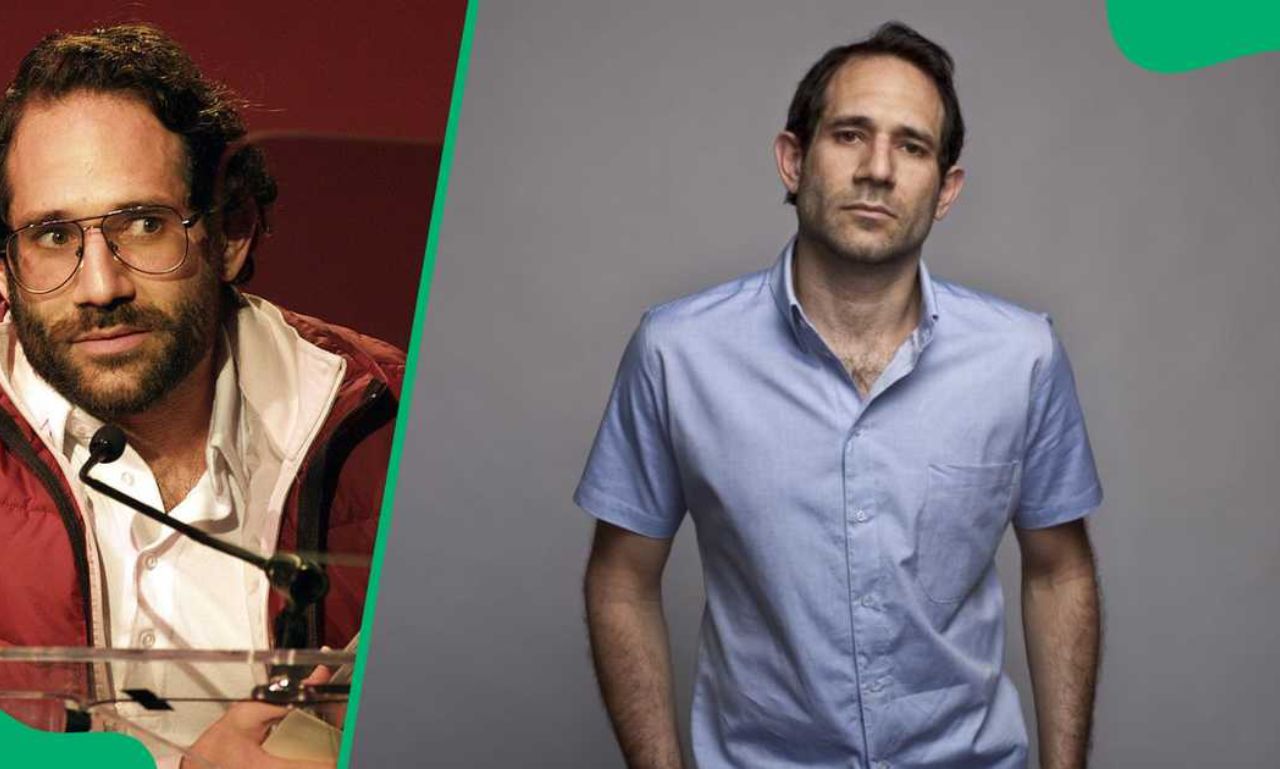
Dov Charney is one of the most polarizing figures in modern fashion merchandising. As the eccentric founder of American Apparel, he built a clothing store empire that completely revolutionized garment manufacturing in the United States. Today, the Dov Charney net worth sits at an estimated $500 thousand, a shocking drop from his historic peak. This entrepreneur once controlled a massive retail sector fortune before high-profile corporate battles shifted his financial standing.
Imagine losing a $700 million equity fortune and your own clothing brand overnight. That is exactly what happened to this legendary chief executive officer after intense board of directors conflicts and bankruptcy filings. While many thought his career in the apparel industry was totally finished, his resilient business model allowed him to launch a brand new wholesale venture.
He quickly pivoted to create Los Angeles Apparel, a growing private company focused on domestic production. This strategic manufacturing operation has successfully revitalized his commercial presence in California. By understanding his liquidity shifts, we gain unique insight into the volatile nature of corporate governance and fashion wealth.
Dov Charney Net Worth in 2026
As of 2026, the financial standing of this fashion founder is vastly different from his days leading a public retail powerhouse. Financial analysts estimate the modern personal valuation of Dov Charney to be approximately $500 thousand. This figure represents a profound shift from his previous status as a near-billionaire, illustrating how quickly wealth tied to public stock can change during major structural realignments.
His current financial profile is centered primarily around his private business operations in California. Rather than relying on public market capitalization, his value is sustained by physical manufacturing infrastructure, machinery, and commercial wholesale contracts. While his personal liquid assets remain relatively modest compared to his historic peaks, his ongoing operations generate consistent business-to-business revenue.
Quick Biography of Dov Charney
Understanding the financial history of a business executive requires looking closely at their personal background and structural milestones. The table below provides an organized overview of his life, career, and core professional details:
| Attribute | Details |
| Full Name | Dov Charney |
| Date of Birth | January 31, 1969 |
| Place of Birth | Montreal, Quebec, Canada |
| Primary Profession | Fashion Entrepreneur and Executive |
| Major Companies Founded | American Apparel, Los Angeles Apparel |
| Key Business Philosophy | Vertically Integrated, Domestic Production |
| Current Operational Base | Los Angeles, California |
The data above shows that his entire professional path has been rooted in garment production and supply chain design. This deep expertise has remained consistent, serving as a foundation even through major legal and corporate restructurings.
Early Life and Education
Long before entering the competitive American retail sector, Charney grew up in Montreal, Canada, immersed in a highly creative environment. Born to an architect father and an artist mother, he developed an early interest in design, visual art, and structural organization. This unique perspective heavily influenced how he eventually approached clothing design and marketing.
His formal education took place at several notable institutions. He attended St. George’s School of Montreal and Choate Rosemary Hall, a selective preparatory school in Connecticut. He later enrolled at Tufts University, where he began focusing on economics and trade. However, his strong entrepreneurial drive quickly overshadowed his traditional academic pursuits, leading him to step away from his formal studies to focus entirely on building a commercial venture.
How Dov Charney Started His Career
Charney’s entry into the fashion market began well before he established a formal corporate office. During his teenage years in the late 1980s, he noticed a distinct trade opportunity involving basic garments. He began importing classic American t-shirts from brands like Hanes and Fruit of the Loom, transporting them across the border via Amtrak trains to resell to eager buyers in eastern Canada.
In 1989, using a $10 thousand loan provided by his father, he formally founded his first corporate entity in Columbia, South Carolina. This early operation focused tightly on manufacturing high-quality, durable wholesale basics. By studying the mechanics of yarn spinning, fabric knitting, and textile dye processes, he gained a practical, hands-on understanding of the entire apparel supply chain.
The Success of American Apparel
The defining chapter of his career unfolded when he relocated his entire manufacturing operation to downtown Los Angeles in 1997. It was here that he fully realized his vision for a vertically integrated business model. He brought every phase of production under one roof, establishing one of the largest operational garment factories in North America.
The brand experienced explosive commercial growth throughout the early 2000s. Its simple, logo-free, vibrant basics resonated strongly with young consumers. The company quickly scaled its brick-and-mortar footprint, expanding from a regional wholesale supplier into a global retail force operating more than 280 stores in major cities across 20 countries.
Dov Charney’s Biggest Business Achievements
Throughout his lengthy career, Charney introduced several major operational innovations that significantly disrupted traditional retail practices. His most notable achievements include:
- Championing Sweatshop-Free Production: He proved that an apparel brand could achieve high profitability while paying factory workers fair hourly wages and offering comprehensive medical benefits.
- Mastering Vertical Integration: By controlling the design, knitting, sewing, and retail distribution, his factories could react to changing fashion trends within days rather than months.
- Pioneering Edgy, Organic Marketing: He bypassed traditional advertising firms by shooting raw, provocative, in-house campaigns that captured global consumer attention.
- Earning Industry Leadership Awards: His innovative business strategies earned him the Ernst & Young Entrepreneur of the Year award in 2004 and the Apparel Magazine Man of the Year title.
How Dov Charney Made His Money
The foundation of Charney’s wealth was built entirely on his large equity ownership in his original company. Unlike typical corporate executives who rely primarily on cash salaries, his financial growth was tied directly to the rising valuation of his brand’s public stock. When the company went public through a merger in 2007, his personal portfolio expanded rapidly.
As the founder, he held a massive 27% equity stake in the newly public corporation. This concentrated ownership structure meant that every upward movement on the stock exchange directly increased his paper net worth. This equity wealth allowed him to secure substantial lines of credit and invest heavily back into local industrial real estate across Los Angeles.
Dov Charney’s Salary and Earnings Over the Years
During the peak operational years of his retail empire, Charney received a substantial executive compensation package. His annual base salary as chief executive officer frequently exceeded $1 million. This direct cash compensation was further increased by performance-based bonuses linked to global sales targets and retail expansion metrics.
However, the vast majority of his annual financial gains came from non-cash equity compensation and stock grants. Because the board of directors frequently rewarded his operational milestones with additional shares, his total compensation package was heavily dependent on the performance of the business. This structure created a highly volatile financial situation, as his income was closely tied to a single public entity.
The Peak of Dov Charney’s Wealth
The absolute peak of Charney’s financial valuation occurred shortly after his company debuted on the New York Stock Exchange in late 2007. Wall Street investors responded with immense enthusiasm to the brand’s aggressive growth model, driving the company’s total market value to an impressive $2.8 billion.
At this exact moment, Charney’s 27% ownership stake reached a peak paper value of over $700 million. He was widely recognized as one of the wealthiest self-made figures in the modern fashion industry. However, because this wealth was highly concentrated in public stock rather than a diversified portfolio, it remained entirely vulnerable to shifting corporate governance and future market downturns.
Frequently Asked Questions
What is Dov Charney’s net worth in 2026?
The estimated dov charney net worth is around $500 thousand, sustained primarily by his modern private manufacturing infrastructure and operations.
How did Dov Charney become rich?
The baseline of the dov charney net worth grew immensely through his massive 27% equity stake when American Apparel went public.
Why was Dov Charney removed from American Apparel?
The board ousted him over severe breakdowns in corporate governance, policy breaches, and a collapsing relationship with company stakeholders.
Does Dov Charney still own American Apparel?
No, he retains zero equity or ownership after consecutive bankruptcy filings entirely wiped out original stakeholder shares and the brand was sold.
What company does Dov Charney own now?
He operates Los Angeles Apparel, a growing private manufacturing firm that has helped slowly rebuild the dov charney net worth.
Conclusion
The financial journey of Dov Charney highlights the volatile relationship between corporate equity and personal net worth. His path demonstrates how a unique business model can create immense wealth, and how quickly that wealth can shift when tied to a single public asset. While his financial portfolio has undergone a complete reset from its historic multi-million dollar peak, his deep operational expertise in domestic garment manufacturing has allowed him to build a stable foundation with his current private venture in 2026.
I’m Harper Grace, an SEO and Content Writing Specialist with 3+ years of experience and 60+ satisfied clients worldwide. At EpicNamezCraft.com, I craft unique and trending name ideas that help brands and individuals find names that stand out and connect.